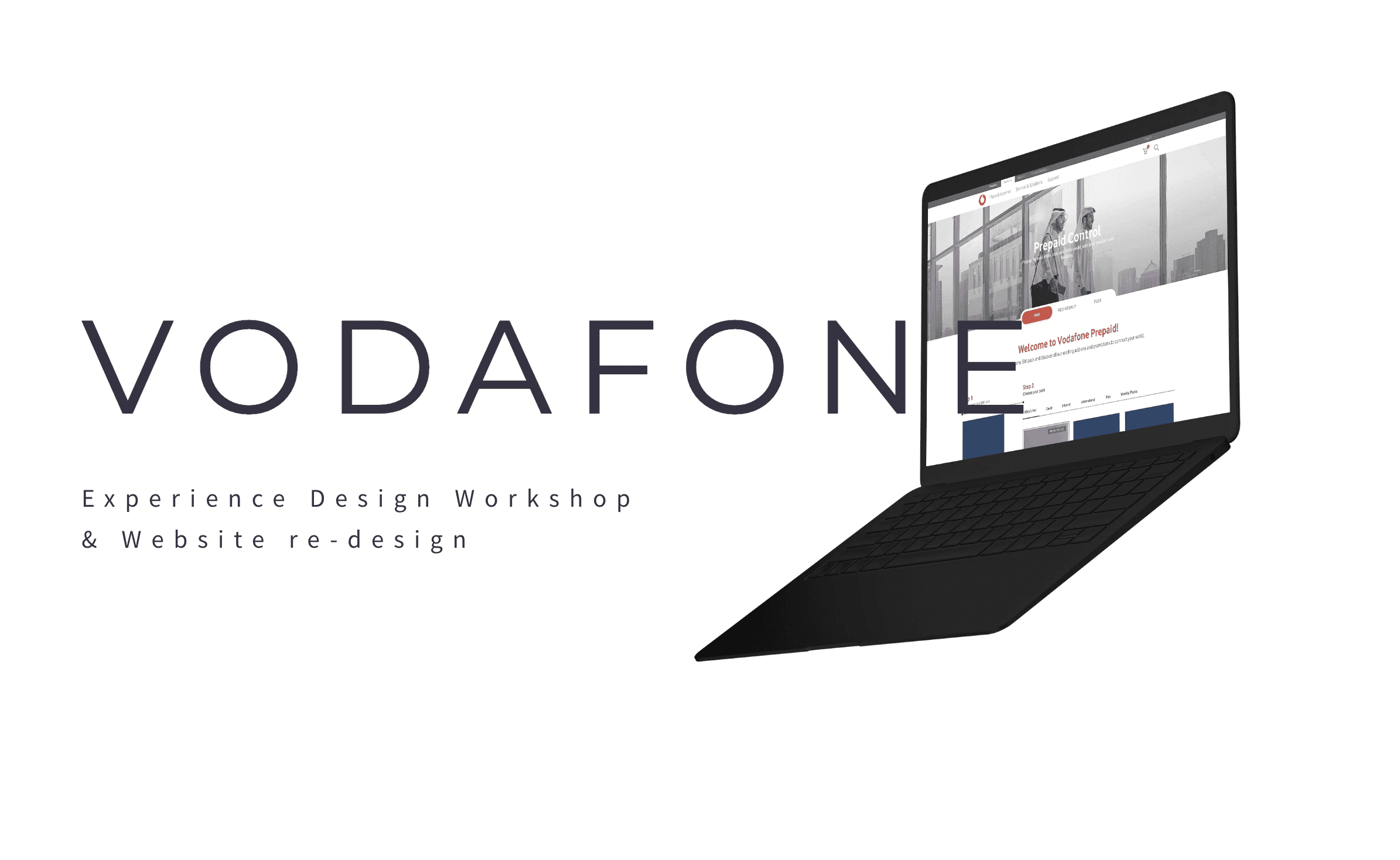
VODAFONE
VODAFONE initially reached out to Ogilvy to help building a better website experience in for its Qatari market. After many meetings and discussions with the client, it was obvious that we needed to align with the client on each milestone to achieve. Yet, many stakeholders had limited knowledge on the benefits of experience design and its added value to the brand. We started from scratch. A clear roadmap which required thorough leadership from Ogilvy and collaboration from the client was set to start from defining the project brief, till launching, measuring, and optimizing the platform.
Client
Ogilvy
Service
Workshop Host
Lead Experience Designer
Year/Duration
October 2018
The Process
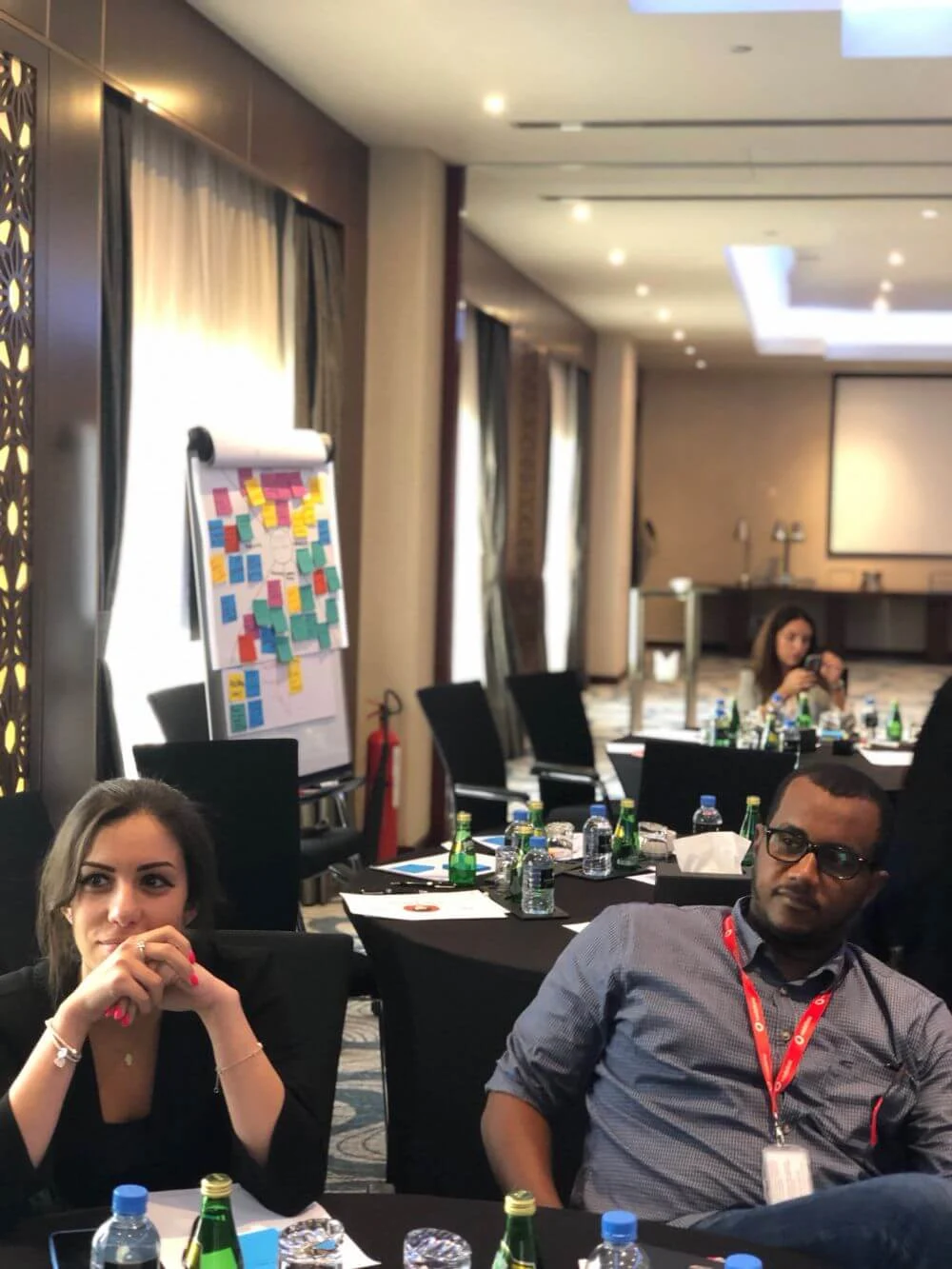
We started with a 4 Days Experience Design Workshop generate a clear, focused brief for the redesign of the VODAFONE website using a human-centered, measurable approach.
During this workshop, I lead on developing with the stakeholders an Experience Measurement Framework, 4 user personas based on the retrieved customer needs, proto customer journeys, and finally sketching.
We developed an experience measurement framework
The purpose was to create alignment amongst stakeholders on the KPIs that will demonstrate business impact through the website experience.The outcome was for the collective team to measure actual business impact of specific design decisions within the new website experience once launched.We did this by soliciting business goals, measures of success, and KPIs from stakeholders through a progressive mapping exercise, in which each stage of the exercise builds upon the previous one.
We then defined the Personas& Customer Needs
The purpose was to identify representative customer behaviors which reflect key customer groups and their specific needs as served through the website.The outcome was to provide a discrete set of agreed upon, representative customer behaviors which will be used to validate and verify design decisions for the new website.We did this by leveraging previous persona development work, soliciting real customer needs from stakeholders, by persona, in order to generate a robust set of requirements that must be met through the new website design.
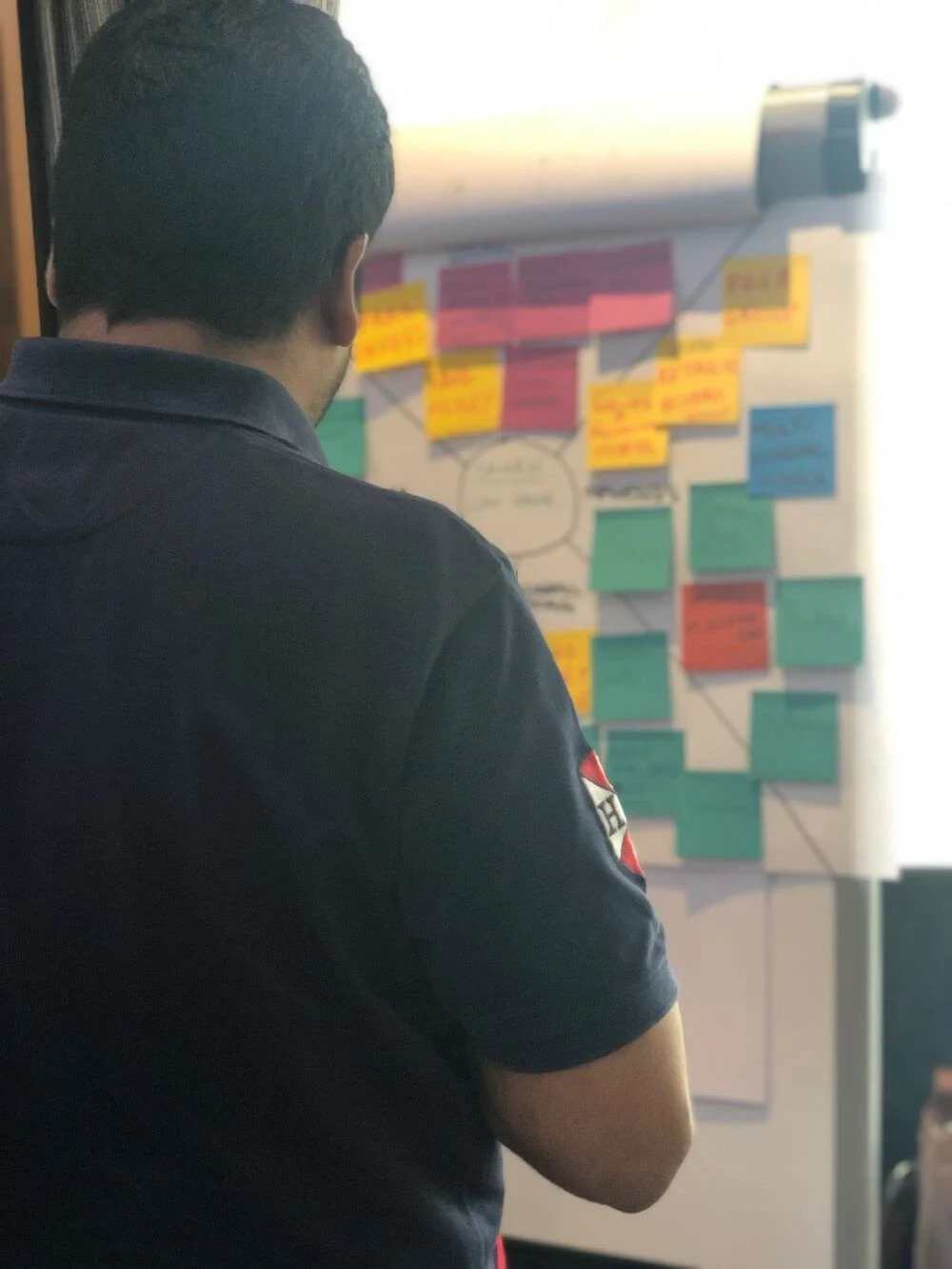
And then, we moved to Proto Customer Journeys
The purpose was to identify the steps within key customer workflows which the website enables and/or supports.The outcome was to identify new and existing opportunities to enhance and augment the website experience to meet customers where they are. These opportunities will be key inputs into the brief for the new website experience.We did this by interactively mapping the steps in key customer workflows as identified in the customer needs activity. While this activity generated low fidelity journeys for the most critical workflows, the outputs served as the basis for a more in-depth mapping of a broader set of customer journeys at a later date.
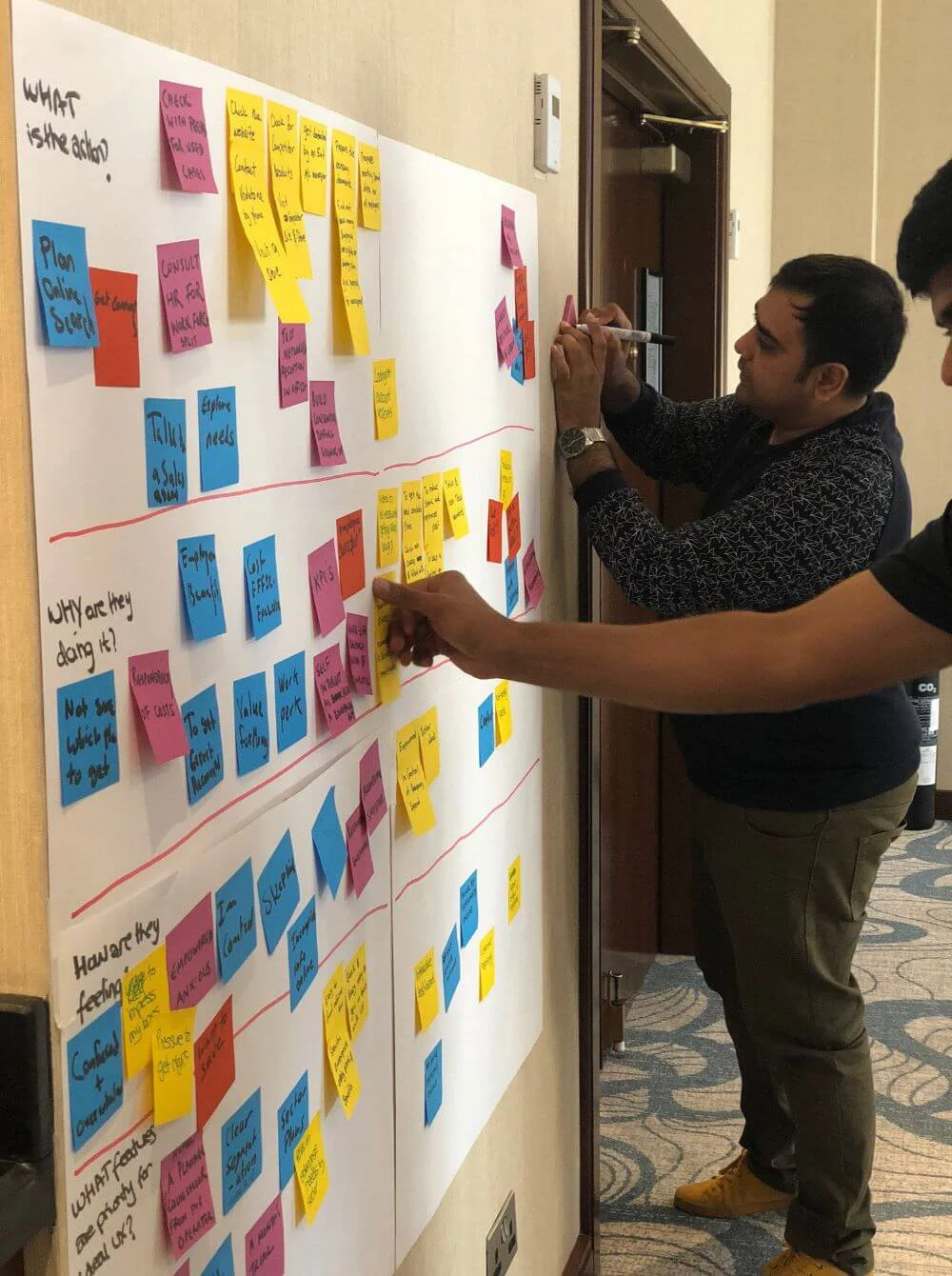
Finally, it’s time for sketching
The purpose was to illustrate the outputs of the previous activities in actual UI for the new website.The outcome was an exposure to a variety of potential design approaches to meet customer needs and business goals for specific customer journeys. These initial sketches directly influenced the brief for the new website.We did this by directing a progressive sketching session which began with the generation of multiple ideas and proceeds through refinement of key concepts. Progressive refinement of experience illustrations for each idea followed through several rounds of sketching.
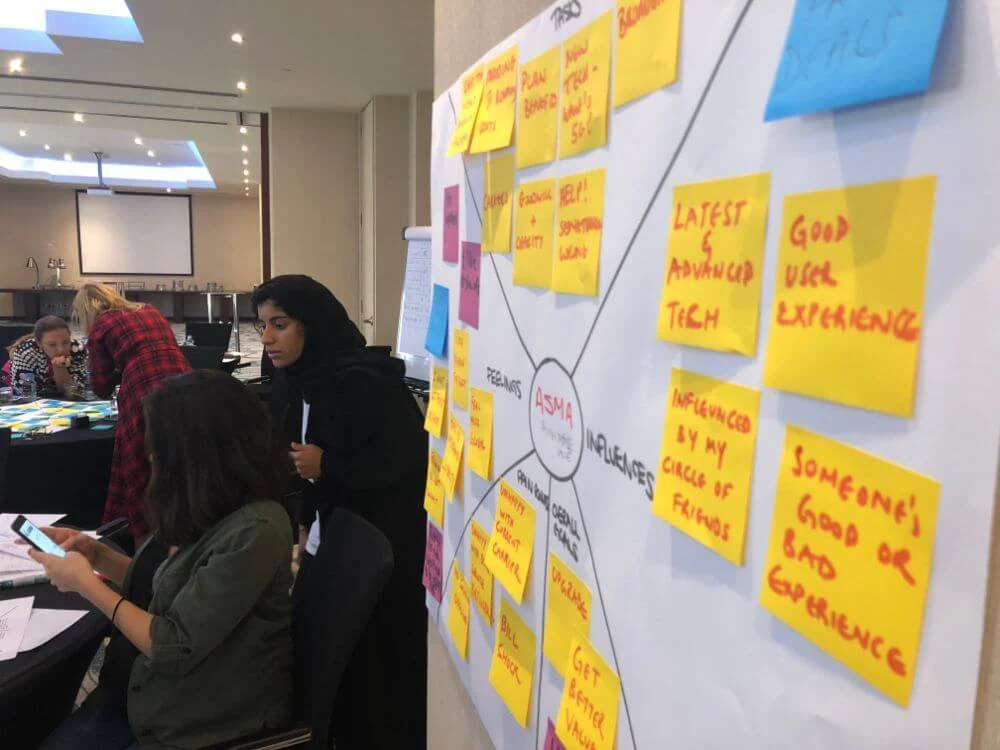
Discussion
We ended the 4 days by closely discussing the next steps.
Key discussions, decisions, and ideas generated during the workshop were documented and consolidated along with the outputs from each workshop activity. This served as a reference for the design of the new website experience. Then, we wrote a detailed brief outlining the approach, key goals, and measurements of success for the new website experience. The brief serves as the roadmap for the subsequent design phase of the website.
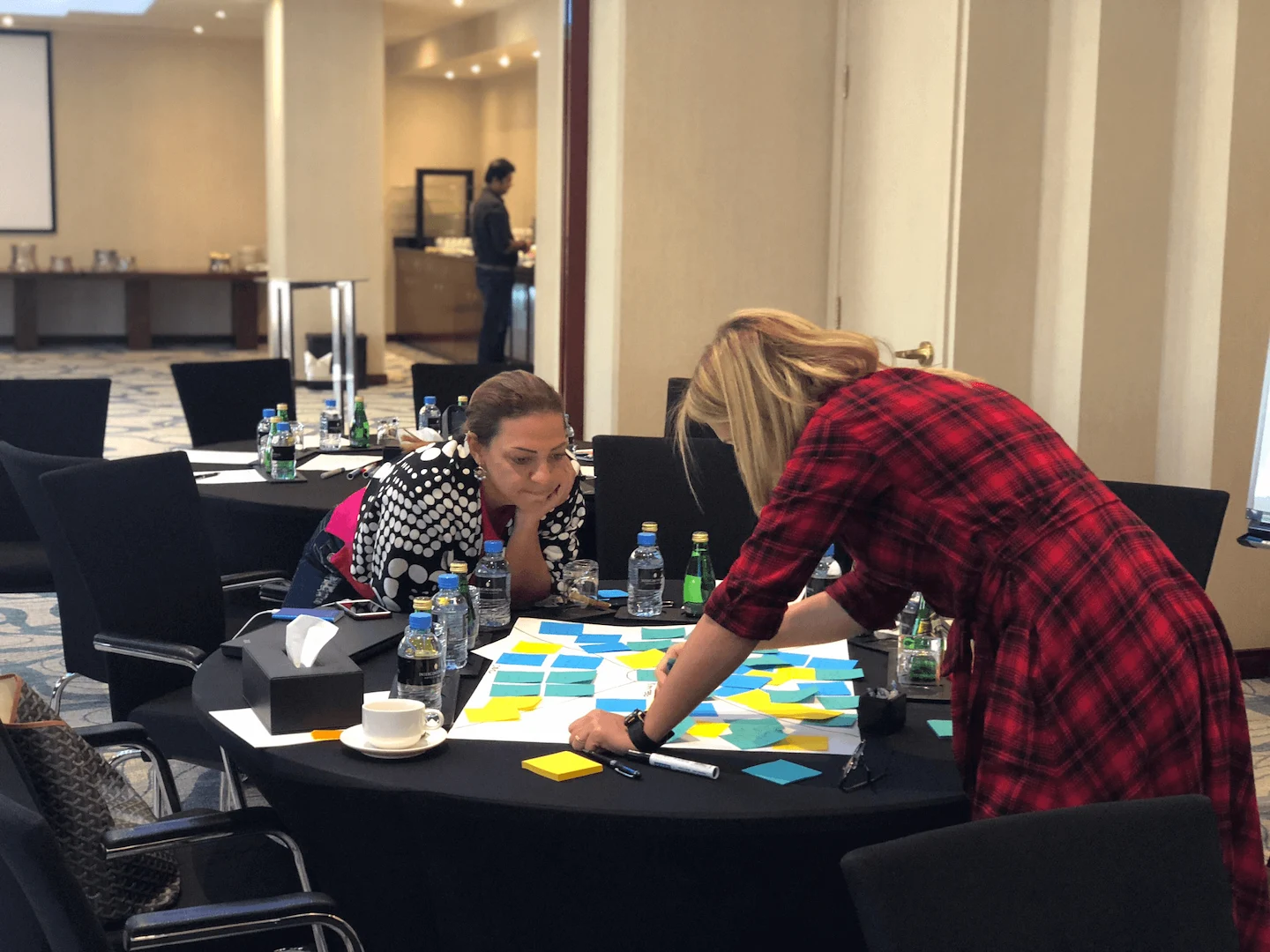
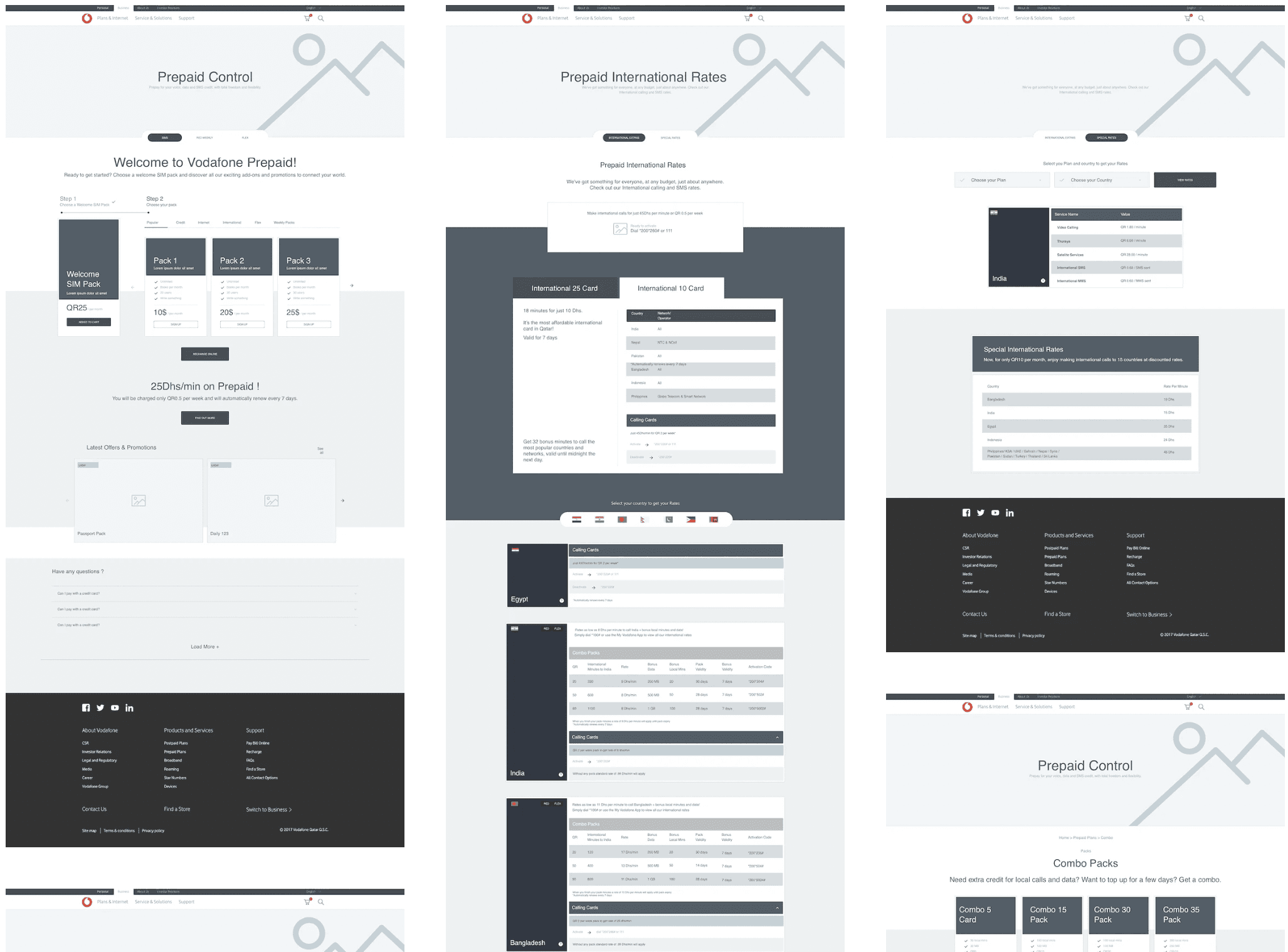
The low-fidelity design
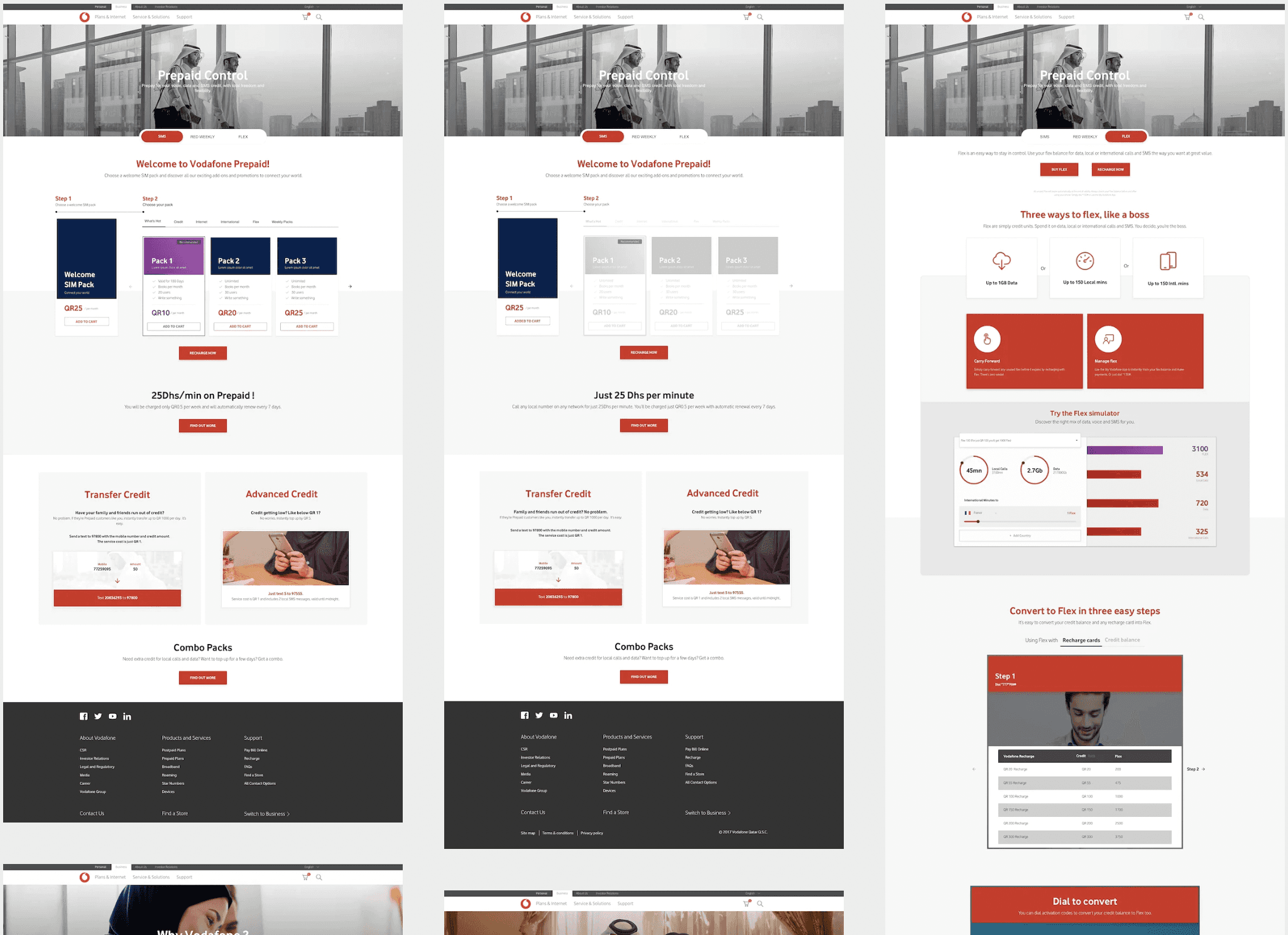
Right after the workshop, and before launching the full website revamp phase, the client became aware of many pain points available in the Prepaid section. So we re-designed the Prepaid section, without affecting it’s navigation and UX consistency with the rest of the site.
High-fidelity design
Next Projects
View our other projects works that highlight our range of skills and innovative design solutions